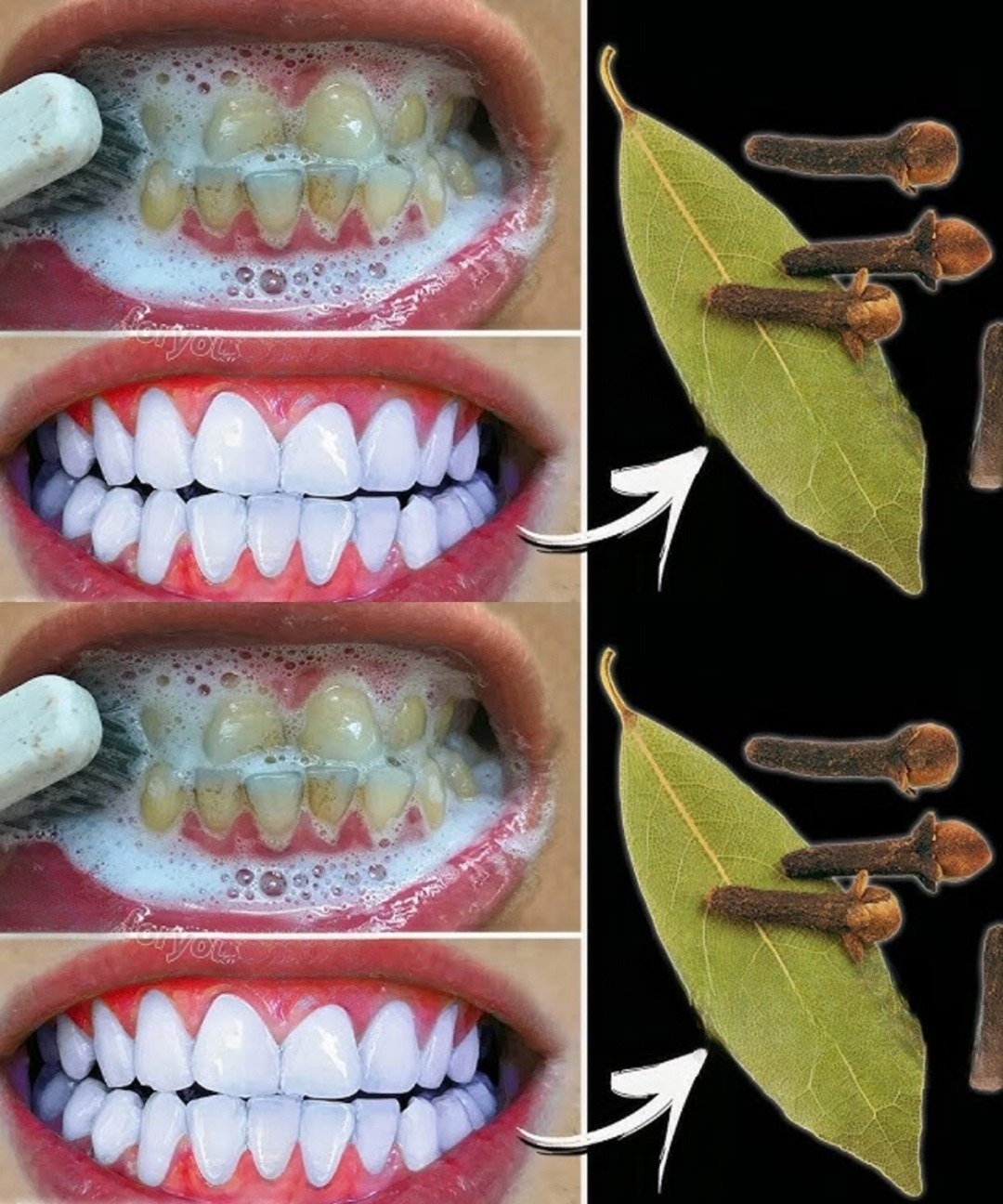
The quest for a whiter smile has led many to expensive whitening trays, strips, and gels — but what if nature already offered a simpler, gentler solution?
Enter bay leaves — yes, those aromatic leaves you toss into soups and stews — now being touted online as a natural teeth-whitening secret. From TikTok videos to wellness blogs, people are raving about rubbing bay leaves on their teeth to lift stains and freshen breath.
But does it really work?
And more importantly — is it safe?
Let’s separate the herbal hype from the science — and explore whether this ancient spice can truly brighten your smile.
🌿 What Are Bay Leaves?
Bay leaves (Laurus nobilis) are fragrant evergreen leaves used in Mediterranean, Indian, and Middle Eastern cooking. Beyond flavor, they’ve been valued in traditional medicine for their:
Antioxidant properties
Anti-inflammatory effects
Antibacterial & antifungal activity
These qualities make them a plausible candidate for supporting oral health — but what about actual teeth whitening?
✅ Potential Benefits of Bay Leaves for Oral Health
While no clinical studies prove bay leaves whiten teeth, some of their natural properties may contribute to a cleaner, fresher mouth:
1. Mild Abrasive Action
Dried, ground bay leaves are slightly gritty.
When rubbed on teeth, they may help scrub away surface stains (from coffee, tea, wine).
Similar to how baking soda works — but much milder.
⚠️ Caution: Overuse could potentially damage enamel over time.
2. Fights Bad Breath
Bay leaves contain essential oils like eugenol and cineole, which have natural antimicrobial effects.
Chewing a clean bay leaf (sparingly) may temporarily reduce odor-causing bacteria.
3. Supports Gum Health
Anti-inflammatory compounds may help soothe irritated gums.
Antibacterial action could reduce plaque buildup — a contributor to discoloration.
🧴 DIY Bay Leaf Remedies (With Real Talk)
Read more on next page 2