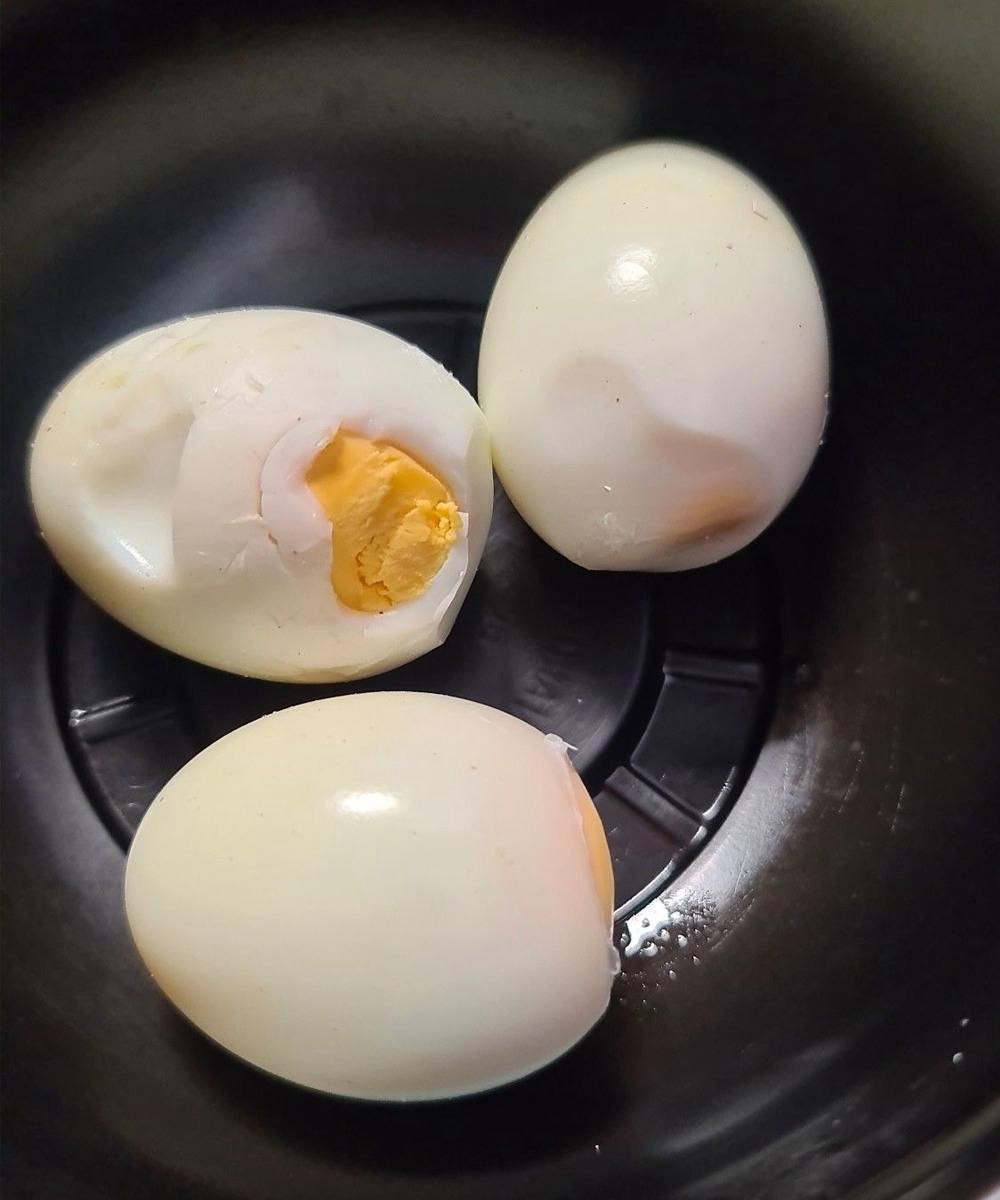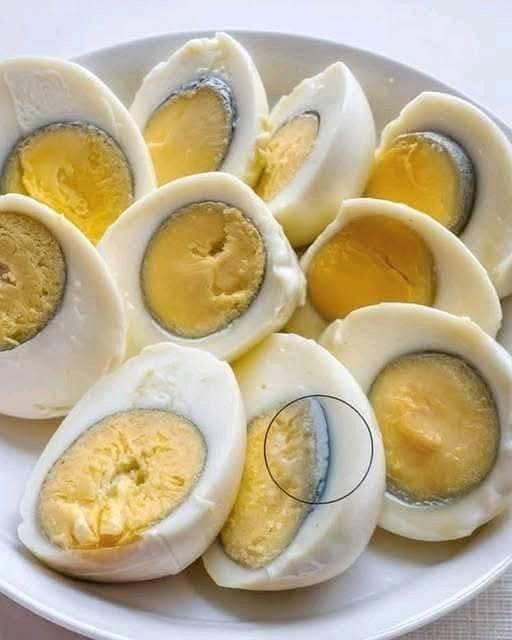
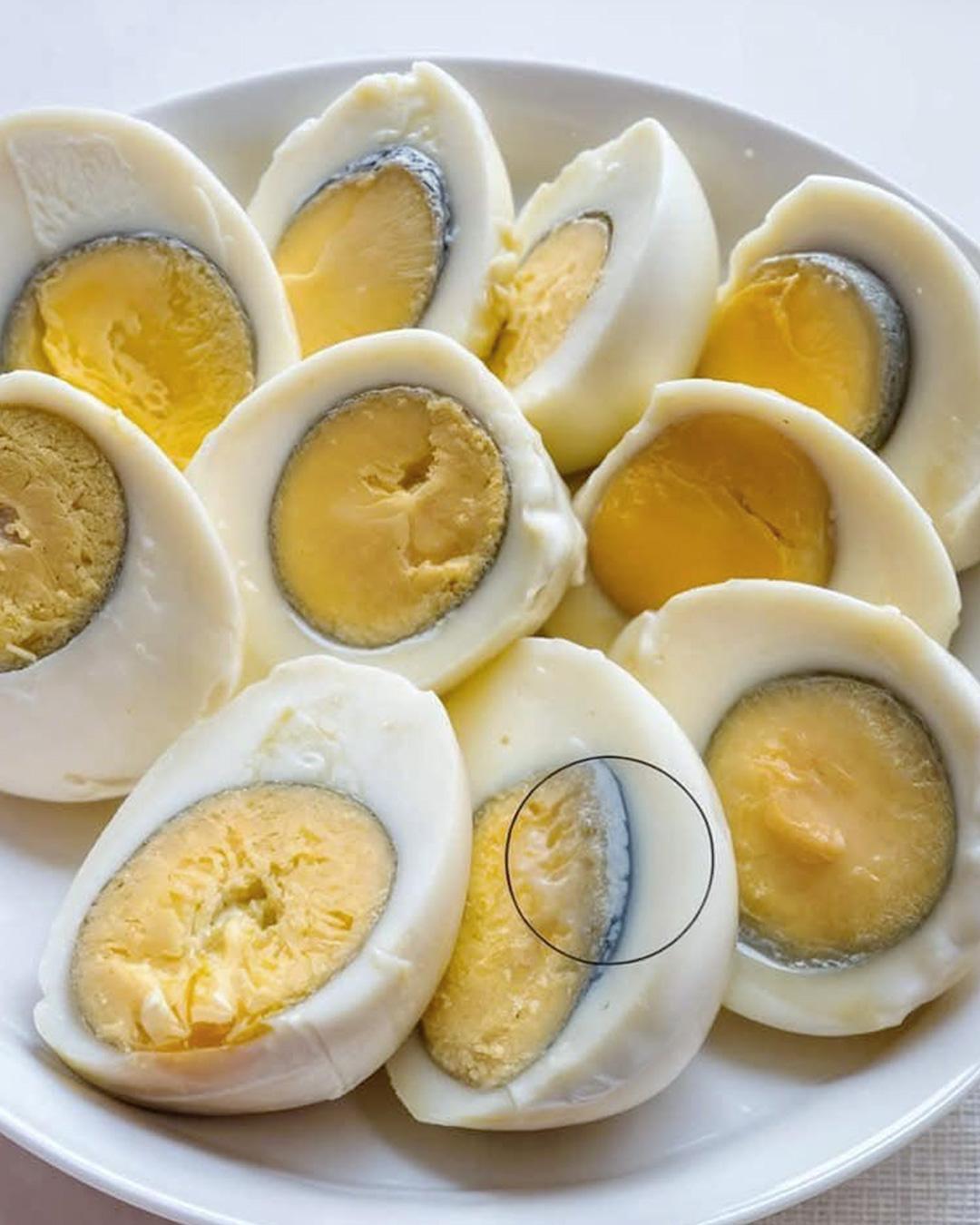
This phenomenon is more pronounced with older eggs, although fresh ones are not completely immune. To prevent this discoloration, simply follow a few simple steps. Start by boiling the eggs, turn off the heat, and let them sit in hot water for 9 to 12 minutes, depending on their size.
Then, cool them immediately in cold or iced water; this stops the cooking process instantly and limits chemical reactions. The result? A perfectly yellow, tender, and flavorful yolk, with no unwanted edges.
The egg’s freshness is also crucial. The older it is, the more likely it is to form a greenish ring. A simple trick to check its freshness is to submerge it in a glass of water: if it stays at the bottom, it’s fresh. If it floats, it’s best to use it for other preparations or discard it.
Although the green ring is harmless, it often creates an unpleasant impression. Especially when using hard-boiled eggs in salads or dishes where presentation is key, it’s important that they are visually appealing. A well-cooked egg is firm, uniform in color, and reflects freshness.
Small adjustments in preparation can make a big difference. Thus, the egg remains a culinary marvel: economical, versatile, and packed with nutrients. With a little attention to preparation, the final result can easily be improved. Perfect hard-boiled eggs are within reach for those willing to invest a few extra minutes in cooking.
No more green rings! Look for a uniform yellow interior that invites consumption. Therefore, hard-boiled eggs without a green ring are no coincidence, but the result of good technique. Let’s face it: if a solution is so simple to adopt, why not go for it?
Do you have any tips or experiences cooking eggs? Share them on our Facebook page and share your culinary secrets! The art of cooking hard-boiled eggs has never been so accessible and rewarding. Unleash your inner chef and transform each egg into a culinary masterpiece!